Therapeutic Massage – Helping Your Body Keep Moving
Our bodies were designed to move. We walk, bend, reach, lift, work, exercise, garden, play with grandchildren and perform hundreds of small movements every day without giving them much thought.
Until something starts hurting.
A tight shoulder can make reaching into a cabinet uncomfortable. A stiff back can make getting out of the car harder than it used to be. Tired legs can turn an afternoon of shopping or walking into something we’d rather avoid.
And sometimes we gradually begin doing less, not because we want to, but because moving simply isn’t as comfortable as it once was.
That’s one reason therapeutic massage can be an important part of taking care of your body.
Your Muscles Work Harder Than You Think
Muscles are constantly contracting and relaxing to allow us to move. Regular movement actually helps keep muscles strong, but repetitive activity, overuse, long periods of inactivity, injuries and the normal changes that come with aging can leave muscles feeling tight, tired or sore.
When something hurts, we also tend to compensate without realizing it.
If one knee bothers us, for example, we may change the way we walk. If a shoulder is uncomfortable, we may begin using the other arm more often. Before long, muscles elsewhere can become tight because they’re being asked to work differently.
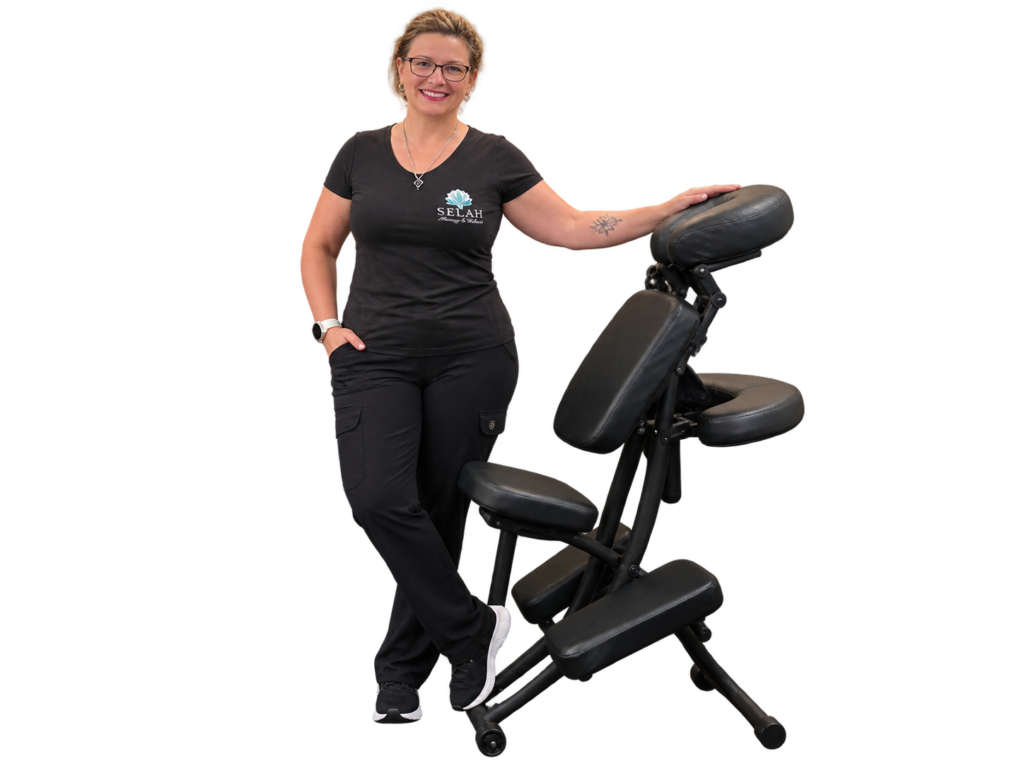
Therapeutic massage focuses on those areas of tension and discomfort.
Through carefully applied pressure, movement, stretching and other massage techniques, a massage therapist works with the muscles and surrounding soft tissues to help reduce tension and encourage more comfortable movement.
Massage and Physical Therapy
Massage and physical therapy aren’t the same thing, and therapeutic massage shouldn’t be presented as a substitute for medical care or physical therapy when either is needed.
But massage techniques are sometimes incorporated into rehabilitation and physical-therapy treatment plans. Physicians may also recommend massage or other forms of hands-on therapy for certain patients as part of a broader approach to managing musculoskeletal discomfort and restoring function.
Physical therapy may concentrate on strengthening, balance, movement patterns and rehabilitation following an injury or medical condition. Massage therapy focuses more directly on muscles and other soft tissues.
For some people, the two approaches can complement one another.
If you’re recovering from an injury, surgery or significant medical condition, it’s important to follow your physician’s or physical therapist’s recommendations and discuss whether massage is appropriate for you.
Staying Mobile Means Staying Involved in Life
Mobility becomes especially important as we grow older.
Being able to comfortably get out of a chair, walk through a store, work in the yard, travel, play golf or simply move around the house contributes enormously to independence and quality of life.
That’s something Sheila Shynski, LMT, considers an important part of therapeutic massage.
As Sheila explains:
“My goal is not simply to help you feel better for an hour. I want to help you understand and care for your body so you can move better, function better, experience less pain and stress, and continue doing the things—and loving the people—that make your life meaningful.”
At Selah, therapeutic massage isn’t a one-size-fits-all routine. Sheila may combine Swedish massage, deep tissue and neuromuscular work, stretching, trigger point therapy, cupping and other bodywork techniques depending upon what the individual needs that day.
You Don’t Have to Stop Moving Because You’re Getting Older
There is an important difference between getting older and giving up the activities you enjoy.
Maybe you aren’t trying to run a marathon. Maybe your goal is simply to continue gardening, fishing, golfing, traveling, walking with friends or getting down on the floor with your grandchildren and getting back up again.
Those things matter.
Therapeutic massage can be one tool for helping care for the muscles that make those everyday movements possible. And because every person’s body, activity level and health history are different, the massage should be different too.
That’s why every session at Selah Massage & Healing Center in Hudson, Florida begins by listening.
Where are you tight? What feels uncomfortable? What activities are becoming harder? And most importantly:
What would you like to keep doing?
Because feeling better isn’t only about relieving today’s sore muscle.
It’s about helping you stay active enough to enjoy tomorrow.