How Sheila Personalizes Your Massage
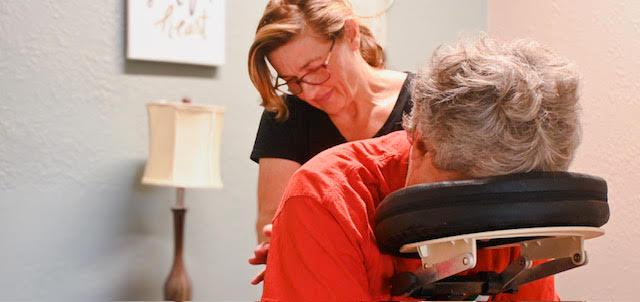
No two people arrive at Selah feeling exactly the same. You may have an area of persistent muscle tension, feel stiff after years of repetitive activity, want help maintaining comfortable movement, or simply need time to relax and let the pressures of the week go.
That’s why Sheila Shynski, LMT, doesn’t begin with a predetermined routine. She begins by listening.
Sheila draws from a variety of massage and bodywork techniques and may combine them according to how you’re feeling, your comfort level, your goals, and what your body needs that day.
Here are some of the techniques and services Sheila may recommend or incorporate into your care.
Deep Tissue Massage
How I Work
I use slow, intentional pressure and sustained strokes to work with deeper layers of muscle and connective tissue. I work gradually, allowing the tissue time to respond rather than simply applying as much pressure as possible.
Deep tissue massage doesn’t have to mean an uncomfortable massage. I want you to communicate with me about pressure throughout your session so we can find an approach that is both comfortable and appropriate for you.
What It May Help With
Deep tissue techniques may help address areas of persistent muscular tension and tightness, support comfortable movement, and help overworked muscles relax.
Often Chosen For
People often consider deep tissue massage for persistent neck, shoulder or lower-back muscle tension, postural strain, repetitive activities, or muscles that continue to feel tight despite rest.
Trigger Point Therapy
How I Work
Sometimes a particularly tight or sensitive area within a muscle often called a “trigger point” or “knot” can contribute to discomfort in that area or in another part of the body.
I locate these areas and use controlled, focused pressure, sometimes followed by gentle stretching or movement. Pressure is adjusted according to your comfort and how the tissue responds.
What It May Help With
Trigger point work may help reduce muscular tightness, ease areas of muscle guarding, and support more comfortable movement.
Often Chosen For
This technique may be incorporated when someone is experiencing persistent muscular tension in areas such as the neck, shoulders, hips or back, including patterns associated with repetitive movement or posture.
Myofascial Release
How I Work
Fascia is connective tissue that surrounds and supports muscles and other structures throughout the body. When appropriate, I use slow, sustained pressure and gentle stretching techniques to work with areas of fascial tightness or restriction.
Unlike some massage techniques, myofascial work may be performed with little or no oil so that I can maintain contact with the tissue as I work.
What It May Help With
Myofascial techniques may help improve flexibility and range of motion, reduce feelings of tightness or restriction, and support more comfortable everyday movement.
Often Chosen For
Myofascial release may be useful for people dealing with persistent stiffness, limited mobility, muscular tightness, or areas that feel restricted following previous injury or repetitive activity.
Relaxation Massage
How I Work
I use flowing, rhythmic massage strokes and comfortable pressure to create a calm, unhurried experience. The goal isn’t to chase every tight muscle. Sometimes your body simply needs an opportunity to slow down.
Your massage is still personalized, and pressure can be adjusted throughout your session according to what feels comfortable to you.
What It May Help With
Massage can encourage relaxation, ease muscular tension and provide a quiet break from everyday stress. Many people simply find that taking time for massage helps them feel calmer, rested and more comfortable.
Often Chosen For
Relaxation massage can be a good choice when you’re feeling stressed, mentally or physically tired, carrying everyday tension, or simply want to make massage part of your regular self-care.
Manual Lymphatic Drainage
How I Work
Manual Lymphatic Drainage, or MLD, is very different from deep tissue massage. I use extremely light, gentle and rhythmic movements designed to follow the body’s natural lymphatic pathways and encourage the movement of lymphatic fluid.
With MLD, more pressure is not better. The technique is intentionally gentle.
What It May Help With
MLD is often sought by people experiencing certain types of swelling or fluid accumulation and may also be recommended as part of a recovery plan following some medical or surgical procedures.
Often Chosen For
People may seek Manual Lymphatic Drainage for swelling, feelings of heaviness or fluid retention, or because it has been recommended by their physician, physical therapist or other healthcare professional.
Important: Unexplained or new swelling can have many causes and should be medically evaluated. If you’ve recently had surgery, have an existing medical condition, or are currently undergoing medical treatment, please discuss whether MLD is appropriate for you with your healthcare provider.
Prenatal Massage
How I Work
Pregnancy changes both your body and what may be comfortable during a massage. I adjust positioning, pressure and techniques accordingly and use supportive cushioning to help you remain comfortable throughout your session.
As always, I want you to tell me what feels good, what doesn’t, and if you need to change position at any point.
What It May Help With
Prenatal massage provides an opportunity to relax and may help ease some of the muscular tension and everyday discomfort that can accompany the physical changes of pregnancy.
Often Chosen For
Expectant mothers may consider prenatal massage when they are experiencing tired or tense muscles, changes in comfort associated with pregnancy, or simply want some peaceful time devoted to their own well-being.
If you have a high-risk pregnancy, complications, unusual symptoms or restrictions from your prenatal healthcare provider, please speak with your provider before scheduling massage.
The Technique Is Only Part of the Massage
You don’t need to walk into Selah knowing whether you need deep tissue massage, trigger point therapy, myofascial release or another technique.
That’s Sheila’s job to help you determine.
Your job is simply to tell her how you’re feeling.
Every session begins with a conversation about what you’re experiencing, what areas may be bothering you, what kind of pressure you prefer, and what you’d like to get from your massage.
From there, Sheila can draw from the techniques that are appropriate for you and create a massage based on what your body needs that day.
“I want to help you understand and care for your body so you can move better, function better, experience less pain and stress, and continue doing the things—and loving the people—that make your life meaningful.”
— Sheila Shynski, LMT
The technique is never the starting point. You are.